
High-Quality Table Bases: Materials, Stability and Quality Control
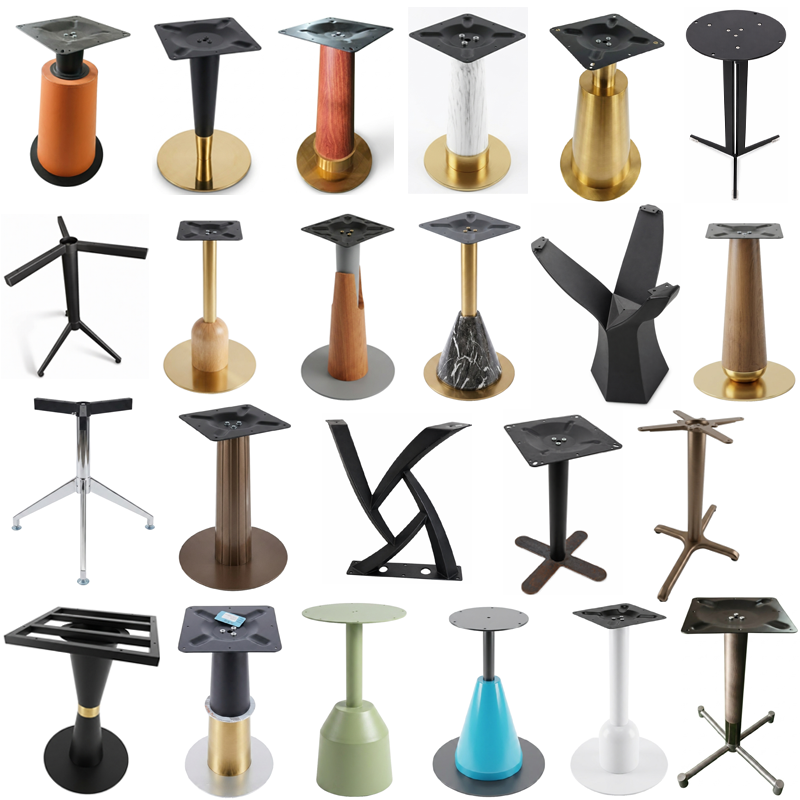
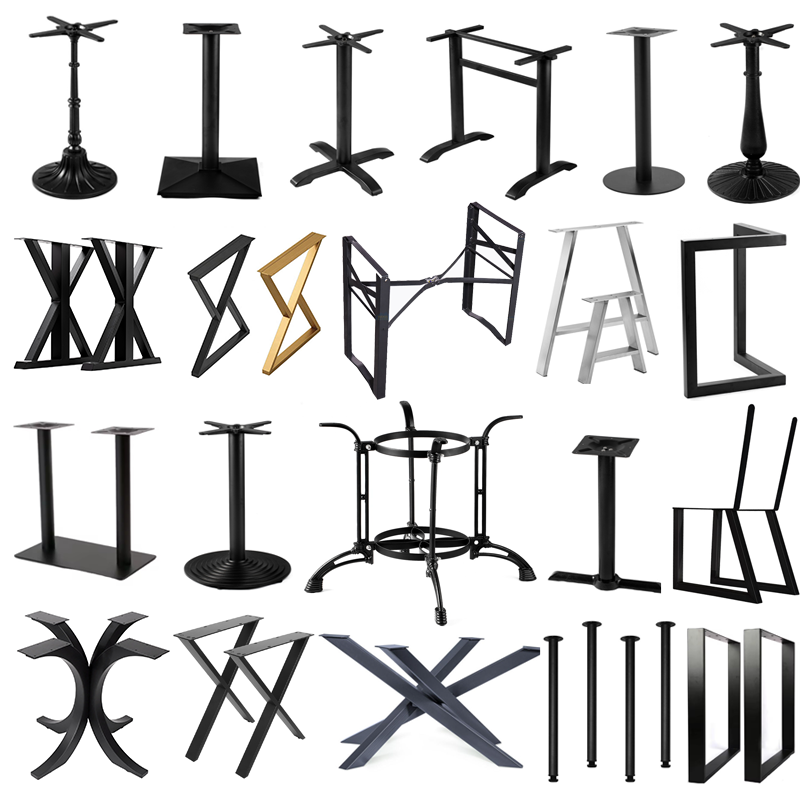
Quality Starts with the Right Material
The material used in a table base affects its strength, weight, corrosion resistance, appearance and suitability for different environments.
Cast iron
Cast iron is widely used for restaurant and café table bases because its weight helps create a low center of gravity. A properly designed cast iron base can provide solid support for frequently used commercial tables.
Quality inspection should focus on:
• Casting consistency and the absence of visible cracks or large air pockets
• Flatness of the floor-contact area
• Wall thickness and structural uniformity
• Clean edges and properly finished connection points
• Protection against corrosion during storage, shipping and use
Steel
Steel offers flexibility in shape, size and fabrication. It is commonly used for pedestal bases, rectangular frames, X-shaped bases and custom table structures.A high-quality steel base depends on more than the nominal material grade. Tube or plate thickness, welding accuracy, reinforcement design and surface treatment all affect the final performance.
Stainless steel
Stainless steel is often selected for modern interiors, hospitality projects and environments
where corrosion resistance is important. However, buyers should confirm the stainless
steel grade, surface finish and intended application rather than relying on appearance alone. Polished, brushed and plated finishes may look similar in product photos but can perform differently under moisture, cleaning chemicals and daily abrasion.
Stability Is an Engineered Result
A stable table base is created through balanced geometry—not simply by adding more metal.
The base footprint, column diameter, mounting plate, connection method and tabletop dimensions must work together. If the footprint is too small for the tabletop, the table may feel unstable. If the mounting plate is thin or poorly aligned, movement can develop
around the connection points over time.
For commercial projects, buyers should provide the supplier with:
• Tabletop length, width or diameter
• Tabletop material and approximate weight
• Intended table height
• Indoor or outdoor application
• Expected frequency of use
• Floor conditions
• Any special load or safety requirements
With this information, the manufacturer can recommend a more appropriate base structure instead of offering a one-size-fits-all solution.
Welding Quality Matters Below the Surface
On fabricated metal table bases, welding is one of the most important indicators of manufacturing quality.
Good welds should be consistent, properly positioned and suitable for the expected load.Excessive grinding can hide surface irregularities but cannot correct weak penetration or poor joint design. Inconsistent welding may also cause deformation, misalignment or difficulty during assembly.
A reliable inspection process should check:
1. Weld position and continuity
2. Joint alignment
3. Visible cracks, pores or excessive spatter
4. Deformation after welding
5. Strength at high-stress connection points
For repeat orders, welding fixtures and documented production standards help keep
dimensions and angles consistent from one batch to the next.
Surface Finishing Protects Both Appearance and Service Life
The finish is not merely decorative. It protects the table base from moisture, oxidation,scratches and routine cleaning.Common options include powder coating, electroplating, polishing and brushed metal
finishes. Each process requires proper surface preparation. Oil, rust, dust or unevenpretreatment can reduce adhesion and lead to peeling, bubbling or early corrosion.evaluating a finish, buyers should consider:
• Color consistency between batches
• Coating coverage around corners and welded areas
• Adhesion and scratch resistance
• Resistance to moisture and cleaning agents
• Suitability for indoor or outdoor use
• Gloss, texture and visual consistency
For demanding environments, buyers may request relevant coating-adhesion or corrosion-resistance test results.