
The Ultimate Guide to Customizing Spider Table Legs for Your Unique Space
Unlocking the Potential of Spider Table Legs
Spider table legs have surged in popularity, becoming a go-to choice for those seeking a blend of modern aesthetics and robust functionality. Their unique, multi-pronged design isn't just visually striking; it provides superior stability, making them an ideal foundation for everything from a grand dining table to a sleek office desk. The true beauty of spider legs, however, lies in their immense potential for customization. You aren't just buying a table base; you're designing a centerpiece that perfectly reflects your style and meets the specific demands of your space.
Why Choose a Custom Spider Table Base?
The decision to customize is a commitment to quality and personality. Unlike mass-produced alternatives, a custom-fabricated spider base offers unparalleled build quality and a perfect fit for your specific requirements. The architectural flair elevates any interior, from industrial lofts to contemporary dining rooms. It allows you to create a unique piece of furniture that stands the test of time, ensuring the final product is not just a table, but a testament to your personal style and an investment in lasting craftsmanship.
H2: Sizing Your Spider Legs for Perfect Proportions and Stability
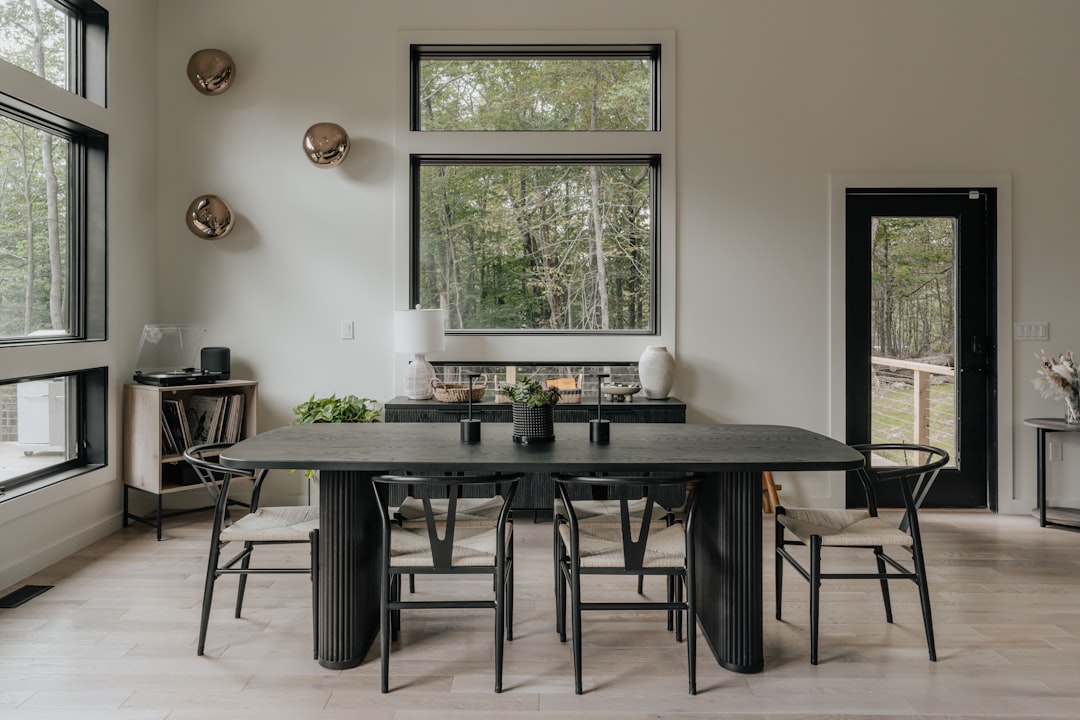
Getting the size right is the most critical step in customizing your spider table legs. The dimensions directly impact stability, legroom, and the overall visual balance of your table. A base that is too small can be unstable, while one that is too large can look clumsy and impede seating.
Key Sizing Rules of Thumb:
- Width: A general guideline is to make the base width 24 inches less than the total width of your tabletop. This ensures stability while preventing it from looking bulky.
- Length: For rectangular tops, the base length depends on the tabletop's material and its ability to handle overhang. A common practice is to subtract 24-36 inches from the tabletop's total length.
- Height: Standard dining table height is around 30 inches. To find your base height, subtract the thickness of your tabletop from this total. For a 2-inch thick wood slab, you would order a 28-inch high base.
Remember to account for integrated leveling feet, which can add a fraction of an inch to the final height. Always consult a sizing guide or the fabricator if you are unsure.
H2: Choosing the Right Material: Steel, Aluminum, and Wood
The material of your spider legs defines their strength, weight, and aesthetic. Each option offers distinct advantages.
Steel: The Standard for Strength
Steel is the most popular choice for spider legs due to its exceptional strength and durability, making it ideal for supporting very heavy tabletops like thick wood slabs, granite, or concrete. It provides a robust, industrial feel and can be finished in numerous ways.
Aluminum: The Lightweight Contender
Lighter than steel but still incredibly strong, aluminum is a great option for tables that may need to be moved or where weight is a concern. It is naturally resistant to rust, making it suitable for outdoor or humid environments.
Wood: For a Softer, Biophilic Touch
While less common for the spider design, wooden legs can offer a warmer, more traditional or biophilic look. Materials like solid beech or oak can be shaped into the dynamic spider form, creating a unique fusion of classic material and modern design. These are best suited for lighter tabletops.
H2: The Importance of Tubing Size and Profile
The thickness, or gauge, of the metal tubing used for the legs is not just an aesthetic choice; it's a structural one. The size of the tubing should be proportional to the size and weight of your tabletop.
- 1-2 inch tubing: Best for small, lightweight tables like coffee tables or benches, or for a minimalist dining table design.
- 3 inch tubing: This is the most common and versatile size, suitable for the majority of dining tables and desks. It offers a great balance of prominent looks and reliable strength.
- 4 inch+ tubing: Reserved for massive or exceptionally heavy tabletops. This size makes a bold statement and provides maximum stability for the largest of applications.
The profile can also be customized, from square to rectangular tubing, to further refine the look.
H2: Exploring Finish and Color Options
The finish is where you can truly personalize your table legs to match your home's decor. The possibilities are nearly endless, ranging from industrial chic to vibrant and bold.
Powder Coating: The Durable Standard
Powder coating is the industry standard for finishing metal furniture. It involves applying a dry powder electrostatically and then curing it under heat, creating a hard finish that is much more durable than conventional paint. It is resistant to chipping, scratching, and fading.
Popular Powder Coat Finishes:
- Matte Black: A timeless, classic, and versatile option that fits almost any style.
- Raw Steel with Clear Coat: For a true industrial look that showcases the raw metal and weld marks, protected by a clear finish.
- White or Gray: Perfect for Scandinavian, minimalist, or contemporary spaces.
- Bright Colors: Vibrant yellows, blues, or reds can turn the table base into a striking focal point.
- Metallic Finishes: Gold, bronze, or copper finishes add a touch of luxury and warmth.
H2: Designing for Your Tabletop Material
The type of tabletop you have—or plan to get—influences the design of the spider base. The base needs to provide appropriate support and have the correct mounting hardware.
- Wood/Epoxy: Spider bases for wood often feature elongated mounting slots. These are crucial as they allow the wood to naturally expand and contract with changes in humidity without cracking or warping.
- Glass: For a glass top, the base doesn't need pre-drilled holes. The top is typically secured with clear silicone pads or bumpers that prevent it from sliding.
- Stone (Marble, Granite, Quartz): These heavy tops require a base with maximum strength. The top plate of the base should be wide and robust to distribute the weight evenly. Often, a plywood sub-top is recommended between the stone and the metal base.
H2: Leveling Feet and Floor Protection
No floor is perfectly level. Adjustable leveling feet are a small but essential feature for any high-quality table base. They are threaded feet, usually discreetly placed at the bottom of each leg, that can be individually adjusted to ensure your table is perfectly stable and doesn't wobble. They also serve to protect your floors from being scratched by the raw metal.
H2: Assembly and Installation Considerations
Many custom spider table bases are shipped as a single, fully welded piece for maximum strength. However, due to their size and shape, some manufacturers offer detachable or bolt-together designs. This can make shipping more manageable and installation easier, especially when navigating tight spaces or stairwells. A bolt-together design, when engineered correctly with heavy-duty hardware, can be just as strong as a welded unit.
H2: Beyond the Standard Spider: Modified Designs
The classic spider leg design features a central hub with legs branching out. However, many fabricators offer modified or artistic variations. You might find designs that incorporate additional support bars, use diamond-shaped tubing, or feature more complex, intersecting patterns. These custom designs allow you to create a piece of functional art that is truly one-of-a-kind.
H2: The Takeaway: A Fusion of Form and Function
Customizing a spider table leg base is an empowering process that puts you in the designer's seat. By carefully considering the size, material, tubing, finish, and features, you can co-create a foundation that not only provides unparalleled stability but also acts as a stunning centerpiece for your dining room, office, or kitchen. It's the perfect fusion of industrial strength and personalized style, ensuring your table is a perfect fit for your life.