
How to Choose & Install the Perfect Spider Table Legs
Why Spider Table Legs Are the Ultimate Choice for Modern Furniture Design
When it comes to upgrading your table—whether for a dining room, home office, or commercial space—the base is just as important as the tabletop. In recent years, spider table legs have skyrocketed in popularity, and for good reason. This innovative design combines industrial strength, space-saving functionality, and timeless style, making it a favorite among homeowners, interior designers, and DIY enthusiasts alike.
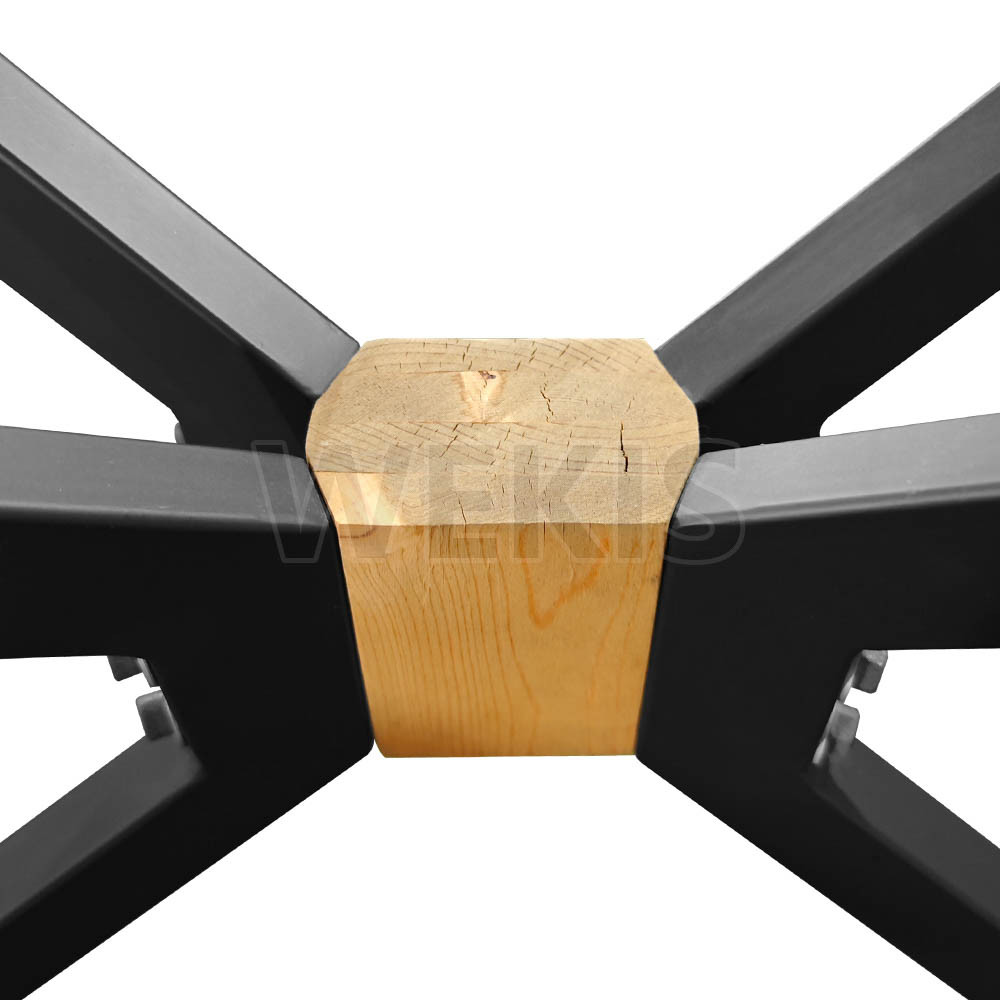
Unlike traditional four-leg tables that restrict legroom and create awkward seating gaps, spider table legs feature a central support structure with radiating legs—mimicking the shape of a spider’s limbs. This radial design distributes weight evenly across multiple contact points, providing far greater stability than conventional bases. Whether you’re placing a heavy solid wood dining tabletop or a spacious home office desk, a quality spider leg base ensures your furniture stays steady, even with daily heavy use.
Unmatched Stability & Durability for Every Space
One of the biggest advantages of spider table legs is their heavy-duty construction. Most premium models are crafted from thick steel or iron, with a powder-coated finish that resists scratches, rust, and wear—perfect for both indoor and covered outdoor use. Many industrial-grade spider legs can support up to 600 pounds, making them suitable for commercial settings like restaurant tables, conference room desks, and retail countertops.
Another key feature is adjustable feet. These small, threaded foot pads screw into the bottom of each leg, allowing you to level the table on uneven floors— a common pain point with traditional furniture. Whether your home has old wooden floors or your office has concrete slabs, adjustable spider legs ensure your table sits perfectly flat, eliminating wobbling and improving safety.
Space-Saving Design for Small Homes & Apartments
In today’s world, where living spaces are getting smaller, space efficiency is non-negotiable. Spider table legs solve one of the most frustrating problems with traditional tables: corner leg obstructions. With a central base, there are no legs to bump into when sitting down, meaning you can fit more chairs around the table or use the extra space for legroom.
This makes spider legs ideal for small dining areas, studio apartments, and compact home offices. A round or square table with a spider base can seat four to six people comfortably, even in a tight space, while a rectangular table with a double spider base (one at each end) works for larger gatherings without sacrificing floor space. For urban dwellers, this design is a game-changer—proving that style and functionality don’t have to be compromised for size.
Versatile Style for Every Interior Aesthetic
Spider table legs aren’t just functional—they’re also incredibly stylish. Their sleek, minimalist silhouette fits seamlessly into a wide range of design styles, from industrial and mid-century modern to contemporary and Scandinavian.
- Industrial Style: Opt for black or raw steel spider legs with a matte finish to complement reclaimed wood tabletops and exposed brick walls.
- Mid-Century Modern: Choose brushed nickel or brass finishes for a retro-inspired look that pairs perfectly with teak or walnut tabletops.
- Scandinavian: Light wood or white powder-coated spider legs add a clean, airy feel to light-colored spaces.
- Contemporary: Chrome or polished steel legs create a bold, modern statement for glass or marble tabletops.
Whether you’re updating an existing table or building a new one from scratch, spider legs offer endless design possibilities. They’re also a popular choice for DIY projects, as they’re easy to customize and install—even for beginners.
How to Install Spider Table Legs (5 Simple Steps)
Installing a spider table leg base is straightforward, and most kits come with pre-drilled holes and all the hardware you need (excluding basic tools). Follow these steps for a secure, professional installation:
- Prepare Your Workspace: Lay your tabletop face down on a soft surface (like a blanket or cardboard) to protect it from scratches. Mark the center of the tabletop with a pencil—this is where the spider base will be attached.
- Align the Base: Place the spider leg base over the center mark, ensuring it’s perfectly centered. Use a carpenter’s square to confirm the base is perpendicular to the tabletop edges.
- Pre-Drill Pilot Holes: To prevent wood splitting, pre-drill pilot holes through the mounting plate of the spider base and into the tabletop. Use a drill bit slightly smaller than the screws provided.
- Secure the Base: Attach the spider leg base to the tabletop using the included screws. Tighten them with a screwdriver or drill (set to low torque) until snug—avoid over-tightening, which can damage the tabletop.
- Level the Table: Flip the table upright and adjust the foot pads on each leg until the table is stable and level. Test it by gently rocking it side to side—if it doesn’t move, you’re done!
Choosing the Right Spider Table Leg for Your Project
To get the most out of your spider table leg, it’s important to choose the right size and style for your needs. Here are a few key factors to consider:
- Height: Standard dining table height is 28–30 inches, while coffee tables are 12–18 inches, and bar tables are 36–42 inches. Make sure to select legs that match the intended use of your table.
- Weight Capacity: Check the weight capacity of the legs to ensure they can support your tabletop. Heavier materials like solid wood require a higher weight capacity than glass or laminate.
- Finish: Choose a finish that complements your tabletop and interior decor. Powder-coated finishes are durable and low-maintenance, while metal finishes like brass or chrome add a touch of elegance.
- Number of Legs: Most spider bases have 3–4 legs for small to medium tables, while larger tables may require 5–6 legs for extra support.
Final Thoughts: Why Spider Table Legs Are Worth the Investment
Spider table legs are more than just a furniture trend—they’re a practical, stylish solution that stands the test of time. Their combination of stability, space efficiency, and versatility makes them suitable for every room in the house, as well as commercial spaces. Whether you’re a DIYer building your first table, a homeowner updating your dining set, or a designer looking for the perfect base, spider table legs offer unmatched value.
Investing in a high-quality spider leg base will not only improve the functionality of your table but also elevate the overall look of your space. With so many styles, finishes, and sizes available, there’s a spider table leg for every project—and every taste.